Wilmington has been shaped by the du Pont family, which established a legacy of industry, culture, and horticulture in the Brandywine Valley. While their original gunpowder mills brought steady work to the area and established Wilmington as a thriving industrial center, the DuPont Company has since grown into a pioneer in the chemical and materials industries.
Several influential family members have left behind historic du Pont estates that have been transformed into publicly accessible museums and gardens. Visitors can explore both the early manufacturing sites along the Brandywine River and several mansions that reflect the family’s growing wealth and impact.
The du Pont Story
In Delaware, we’re proud to claim the First Family as our own. But long before the Bidens ever set foot in the First State, there were the du Ponts.
How the du Pont Story Shaped Wilmington
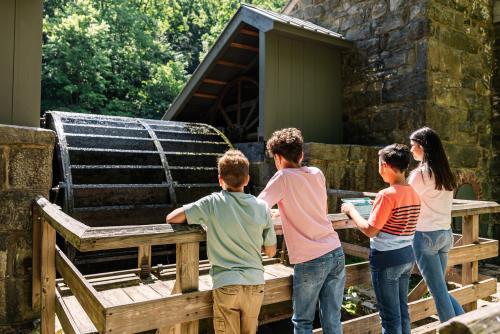
Éleuthère Irénée “E.I.” du Pont de Nemours was born in Paris, France, in 1771 to a noble family. In 1800, he arrived in America with his father and brother; two years later, he founded a gunpowder factory in Wilmington along the banks of the Brandywine River. While many locations were considered, Wilmington had many attractive features, especially the water power its river could provide.
Its location along the Delaware River made it easy to receive raw materials and ship finished goods to Philadelphia and other northern ports. Access to major American financial centers like Philadelphia and New York supported early industrial growth, while du Pont’s ties to Wilmington’s French expatriate community helped establish local, social, and business connections.
After choosing Wilmington, E.I. du Pont built dams and water wheels to harness the Brandywine River’s power and created communities for his workers. His gunpowder mill quickly became the largest of its kind, adding more jobs to the region as expansion continued. During the Civil War, it produced roughly one-third of the gunpowder used by the Union. At the turn of the twentieth century, DuPont began diversifying its offerings beyond explosives, setting the stage for its current focus on specialty materials. Innovations include nylon, Teflon, and Kevlar. During World War II, it was a major supplier of materials for parachutes.
While building an industrial empire, the du Ponts poured their wealth into Wilmington, funding infrastructure and founding civic and cultural institutions. Many historic properties built by the family have since been transformed into museums and libraries, making it easy for visitors to learn about the region’s heritage and how this family helped shape its cultural identity. To learn more about their legacy in Wilmington, explore the family timeline.
du Pont Timeline
Since the arrival of Éleuthère Irénée “E.I.” du Pont de Nemours to Delaware in 1800 he and his family have left a wealth of riches for all to enjoy.
Key Sites That Tell the du Pont Story
Hagley Museum and Library — Birthplace of the DuPont Company
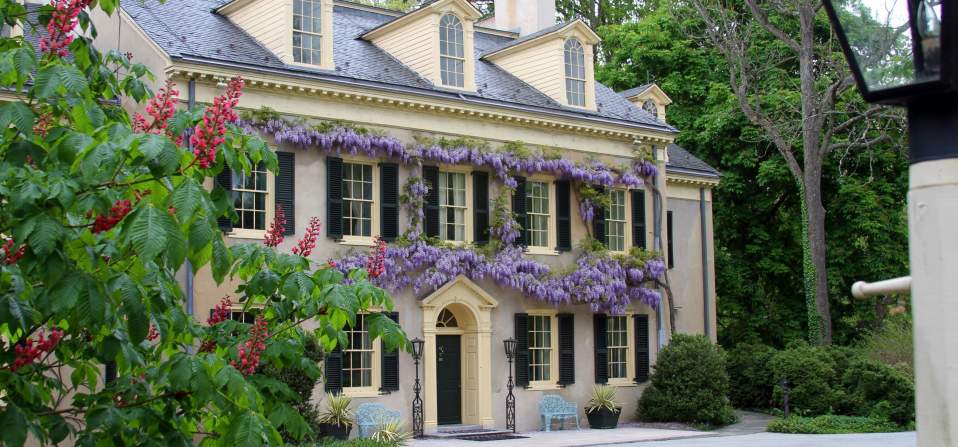
See where it all began by visiting Hagley Museum and Library, the birthplace of the DuPont Company, and one of the most immersive ways to understand the family’s legacy. This expansive indoor‑outdoor museum spans centuries of American innovation along the banks of the Brandywine River.
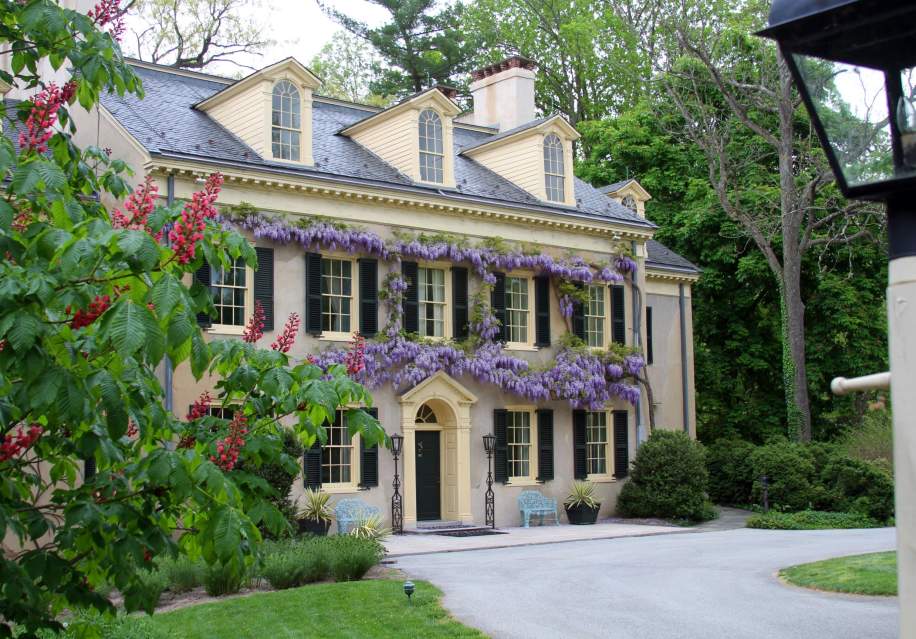
At the Visitor’s Center, check out the Nation of Inventors exhibit to learn stories of ingenuity that shaped the nation. Tour the original du Pont gunpowder mills and witness several demonstrations that explain how gunpowder was made, then explore what remains of one of the worker communities. You can also take a guided tour of the du Pont family’s first American home, built in 1803, and its restored gardens.
Winterthur Museum, Garden & Library — Decorative Arts & du Pont Design
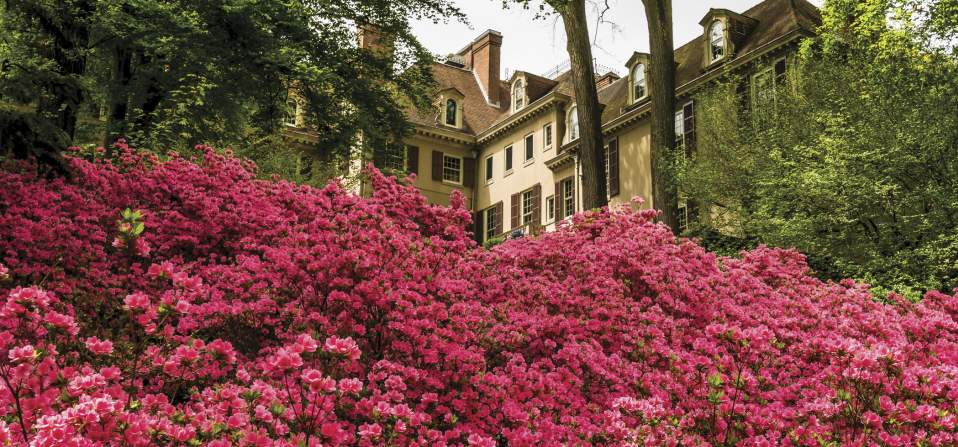
The Winterthur family home was built in 1839 and housed four generations of du Ponts before Henry Francis du Pont transformed it into a museum and opened it to the public in 1951. He collected more than 90,000 pieces of art, furniture, and antiques that showcase the best of American craftsmanship through the centuries from a variety of cultures and styles. The rooms housing these collections are also an architectural delight.
In addition to the permanent collection, seasonal exhibitions share stories that go beyond the du Pont legacy, opening the region to share the nation’s history and design. The library houses a world-class collection of rare American books, manuscripts, art, and photographs. Henry’s love for gardening is apparent when you explore the Winterthur garden, which is an artistic natural masterpiece in every season.
Nemours Estate — A Showcase of du Pont Wealth & European Influence
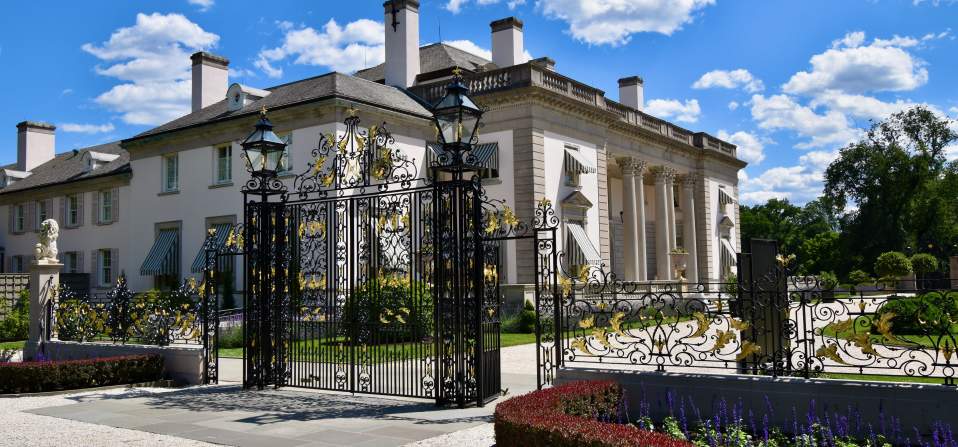
Built in 1910, Nemours Estate was commissioned by Alfred I. du Pont for his wife, Alicia. Known as an American Versailles, Nemours’ French château architecture and its formal gardens are reminiscent of the opulent Parisian palace and reflect the du Pont family’s wealth and European influence.
Guests can explore the 47,000-square-foot, 77-room mansion and take in the splendor of its art and furniture. In the Chauffer’s Garage, browse the du Pont’s collection of rare vintage automobiles. Then stroll through the stunning gardens, complete with fountains, monuments, French architecture, a maze, and beautiful plants and flowers.
Hagley Museum and Library
- 200 Hagley Creek Rd.
Hagley is a large, indoor-outdoor museum experience with hundreds of years of history. Explore the…
Winterthur Museum, Garden & Library
- 5105 Kennett Pike
Nestled in the rolling hills of the Brandywine Valley, Winterthur is a historic estate on par with…
Nemours Estate
- 1600 Rockland Rd
Explore the elegance of a 77-room Mansion, a Chauffeur's Garage with vintage automobiles, and…
Additional du Pont Mansions & Historic Properties
Many additional properties throughout the Brandywine Valley are connected to the du Pont family. Brantwyn Estate, another former du Pont residence, now serves as an elegant event space on the grounds of the DuPont Country Club.
Several sites relate to the family’s interest in horticulture and conservation. The Mt. Cuba Center was established by Lammot du Pont Copeland at the site of his former mansion. The botanical garden is now committed to the preservation of native plants. In Kennett Square, Pierre S. du Pont purchased a struggling arboretum and transformed it into Longwood Gardens, one of the most popular and highly regarded gardens in the world.
For a taste of the elegance the du Pont family brought to Wilmington in the Gilded Age, visit (and stay at) the iconic HOTEL DU PONT, which was built as an extension of the DuPont Company’s headquarters to offer opulent accommodations to business travelers.
Planning a Visit to Explore Wilmington’s du Pont Heritage
Tickets to visit most historic sites can be purchased in advance online, though many are also available at the gate. To make the most of your visit, it’s best to check the website for information on visiting hours and guided tours. Many attractions include an outdoor component, making comfortable shoes and weather‑appropriate attire an important part of preparing for the experience.
These historic sites offer a layered journey, one that moves from riverfront mills and early industry to grand estates and carefully designed gardens. We can help you plan a visit that brings together Wilmington’s industrial, architectural, and cultural legacy, connecting the stories of innovation, family, and places that continue to shape the Brandywine Valley today.