Discover Scenic Trails That Helped Shape America's Story
The best way to experience history isn't always inside a museum. Sometimes, it's found beneath your feet.
Greater Wilmington & the Brandywine Valley is home to miles of scenic trails, rolling hills, historic landscapes, and preserved parklands that have witnessed centuries of American history. As part of America's Garden Capital, our region is celebrated for its breathtaking gardens, picturesque parks, and protected natural spaces—but many of these landscapes also played an important role during the Revolutionary War. As Delaware celebrates America's 250th anniversary, there's no better time to lace up your hiking boots and explore the places where history and nature intersect.
Delaware 250: Small Wonder, Big History commemorates Delaware’s role in America’s founding during the nation’s 250th anniversary. Explore key Revolutionary War events, watch…
Moonloop Photography
Follow the Washington-Rochambeau Revolutionary Route
One of the most significant historic trails in the country passes right through Delaware. The Washington-Rochambeau Revolutionary Route National Historic Trail stretches more than 680 miles from Massachusetts to Virginia, tracing the journey of American and French troops as they marched toward the decisive Siege of Yorktown in 1781. From September 4–7, 1781, thousands of soldiers traveled approximately 26 miles through Delaware on their way south. Today, visitors can follow portions of that same route while discovering parks, historic sites, and communities that still preserve the spirit of the Revolution.
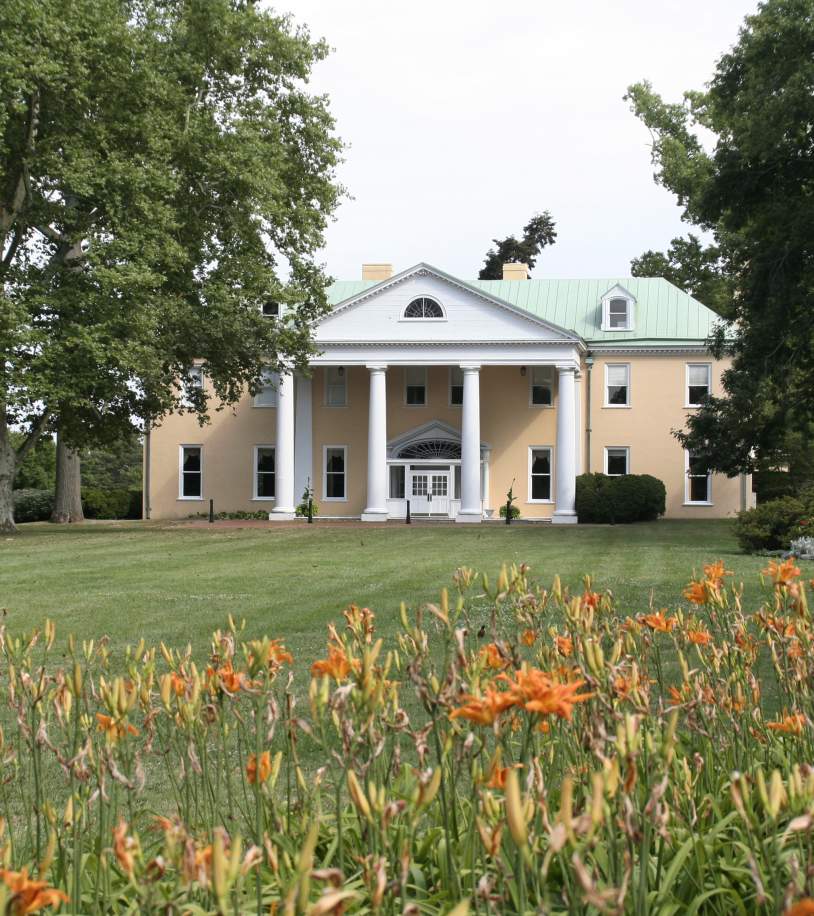
Begin at Bellevue State Park
Your journey starts just north of Wilmington at Bellevue State Park, where history and recreation go hand in hand.
Originally the estate of William du Pont Jr., the park's iconic 1.2-mile Oval Track once served as a horse racing track and now features fitness stations perfect for walkers, runners, and cyclists. The park also offers wooded trails, historic buildings, and plenty of opportunities to enjoy the outdoors. Before continuing south, make a quick stop at the nearby Penny House, a beautifully preserved 1749 toll house and watering stop that once welcomed travelers along the Philadelphia Turnpike—the very road Revolutionary troops followed toward Virginia.
Explore Historic Wilmington
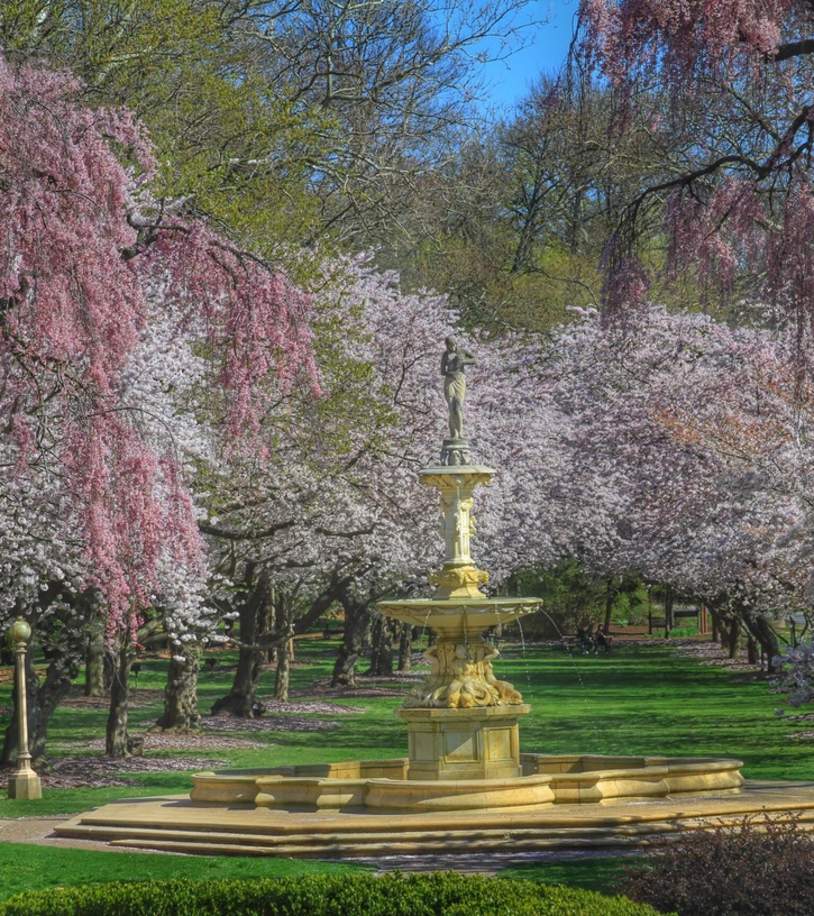
Following Philadelphia Pike into Wilmington brings you to the historic Brandywine Village, once one of the Mid-Atlantic's most important milling centers. A historical marker at Market and Race Streets tells the story of this thriving industrial community, while nearby Brandywine Park invites visitors to enjoy more than 178 acres of rolling green space along the Brandywine Creek. While the park itself was established decades after the Revolution, its scenic setting offers a peaceful place to reflect on the area's remarkable history. Continue into downtown Wilmington, where the city's Revolutionary story unfolds around nearly every corner.
The site of today's Grand Opera House was once home to the Wilmington Academy, which served as headquarters for Lauzun's Legion during the winter of 1782–1783 and also functioned as a military hospital.
Just a few blocks away, stroll through the historic Quaker Hill neighborhood to see the Woodward Houses, the oldest surviving stone homes in Wilmington and rare examples of 18th-century architecture.
Discover White Clay Creek State Park
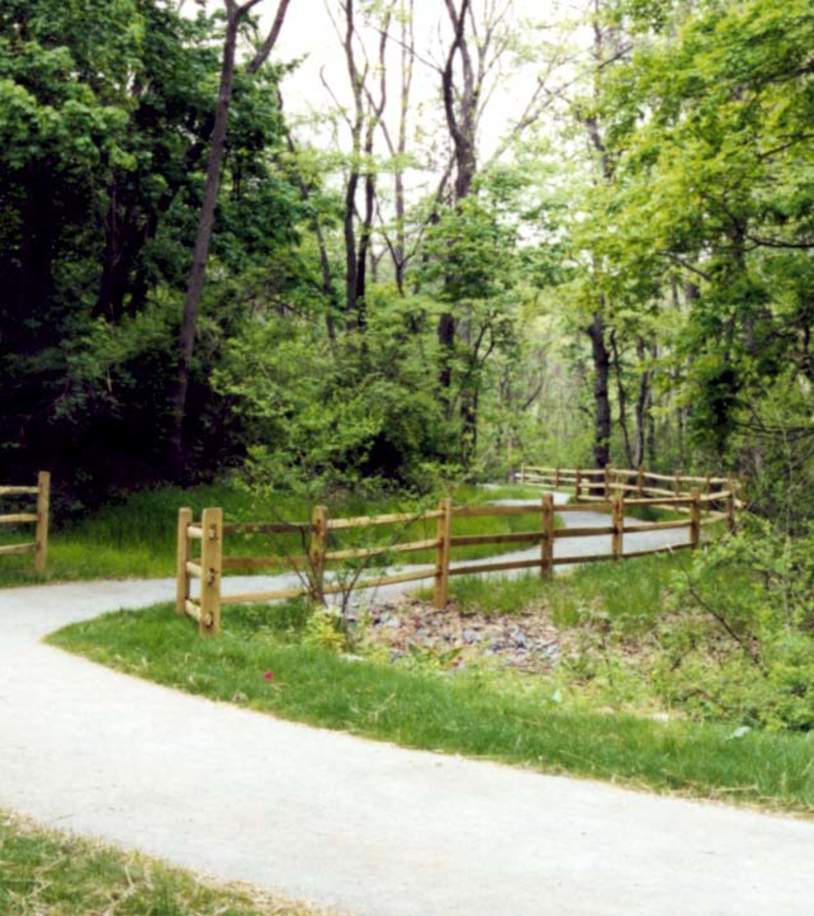
From Wilmington, the historic route heads toward Newark and one of Delaware's most beloved outdoor destinations. White Clay Creek State Park offers more than 37 miles of trails winding through forests, meadows, and along one of Delaware's federally designated National Wild and Scenic Rivers. Birdwatchers, hikers, trail runners, mountain bikers, and anglers will all find something to enjoy here.
History enthusiasts should make time for two unique hikes:
Twin Valley Trail (3.6 miles), leading to the Arc Corner Monument, where Delaware's distinctive northern border meets Pennsylvania.
Tri-State Marker Trail (3.1 miles), where visitors can stand in Delaware, Maryland, and Pennsylvania—all at once.
White Clay Creek also offers Action Trackchairs, allowing visitors with mobility challenges to explore many of the park's scenic trails.
Visit the Hale-Byrnes House
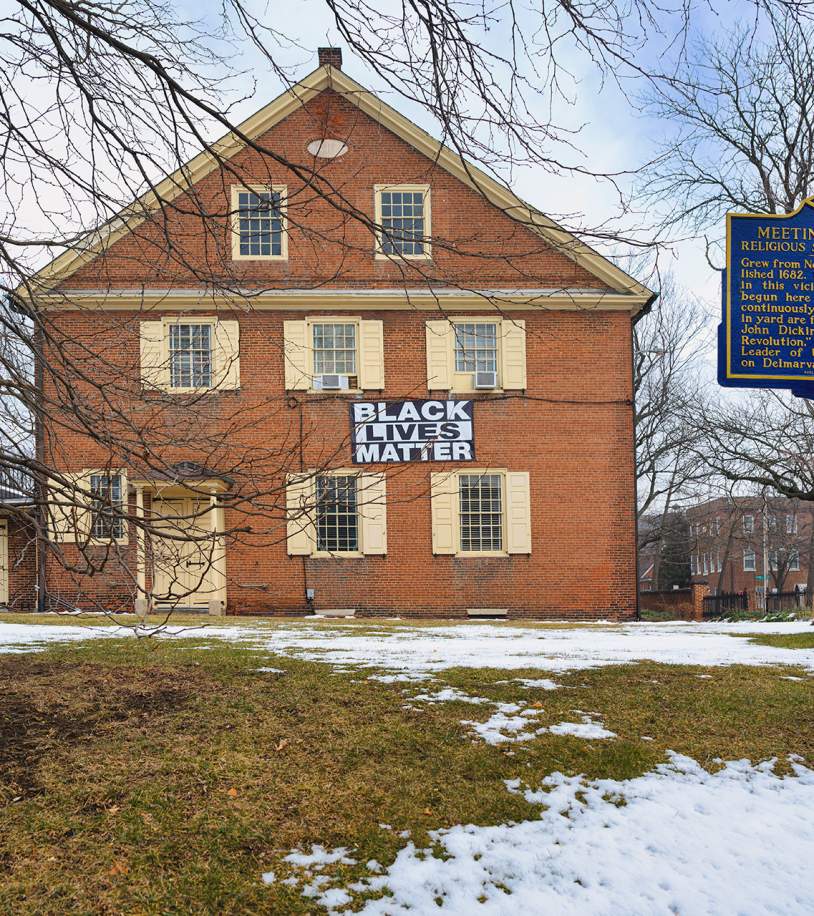
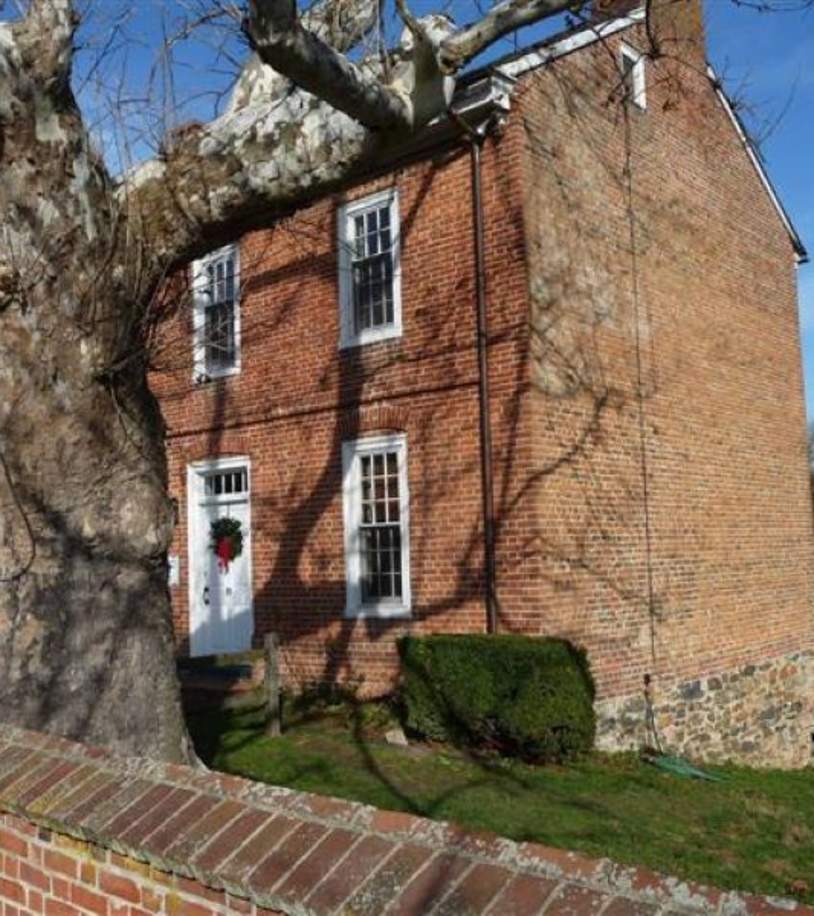
No Revolutionary itinerary would be complete without stopping at the Hale-Byrnes House in Newark. This historic home hosted General George Washington and his commanders during a crucial Council of War following the Battle of Cooch's Bridge, where military leaders discussed the defense of Philadelphia. Today, it remains one of Delaware's most significant Revolutionary landmarks and an essential stop for history lovers.
History extends well beyond the Washington-Rochambeau Trail. Several additional regional trails offer opportunities to combine outdoor adventure with fascinating stories from Delaware's past.
East Coast Greenway
Stretching nearly 3,000 miles along the East Coast, this popular biking and walking route passes near Cooch's Bridge, the site of Delaware's only Revolutionary War battle.
Mason-Dixon Trail
Beginning near the Brandywine Museum of Art and Brandywine Battlefield Park, this 196-mile footpath travels through scenic woodlands before entering Delaware through Iron Hill Park, eventually following the Christina River and White Clay Creek.
Brandywine Trail
Connecting some of the Brandywine Valley's most scenic landscapes, this growing trail system will one day link Wilmington with the legendary Appalachian Trail.
Michael N. Castle Trail / Ben Cardin Recreational Trail
Running 14 paved miles between Delaware City and Chesapeake City, Maryland, this trail follows the historic Chesapeake & Delaware Canal, offering scenic waterfront views and a glimpse into one of the region's most important transportation corridors.
The Michael N. Castle Trail runs through wildlife preserve area along the north side of the C&D…
Did You Know? Delaware's Famous Arc
One of Delaware's most recognizable features isn't a landmark—it's the state's shape.
Unlike nearly every other state boundary in America, Delaware's northern border forms a perfect arc.
The story dates back to 1682, when a land grant defined a circle with a 12-mile radius around New Castle. The cupola of what is now the New Castle Court House Museum was later designated as its center, helping create the distinctive curved northern border that still sets Delaware apart today.
You can actually visit one of the monuments marking this unique boundary while hiking the Twin Valley Trail in White Clay Creek State Park.
Walk Through History
Few places allow visitors to experience both natural beauty and American history quite like Greater Wilmington & the Brandywine Valley.
Whether you're following the footsteps of Revolutionary soldiers, hiking through forests that have stood for centuries, or discovering historic landmarks tucked within scenic parks, every trail tells a story. So this year, celebrate America's 250th anniversary by getting outside, exploring Delaware's remarkable landscapes, and discovering how history is woven into every step.